
Queues, Bags and AI: How Heathrow Could Learn from Asia’s Smartest Airports
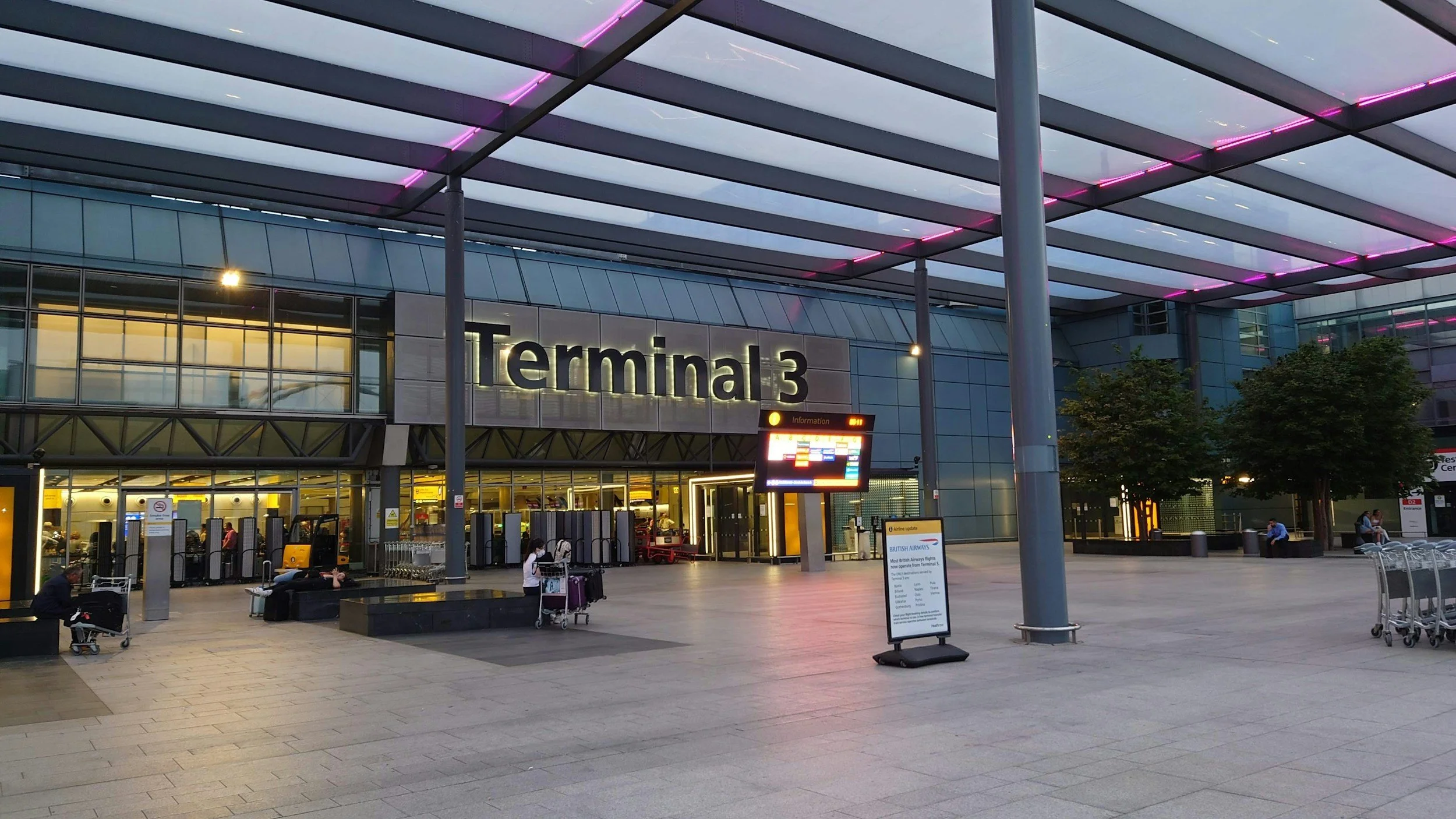
Heathrow is one of the busiest and most complex airports in the world. Running an operation of that scale is certainly not easy; accomodating 85 million passengers a year whilst only having 2 runways (hot topic indeed!) is beyond impressive.
Heathrow has made progress on digital transformation over the last few years with more data, better forecasting, smarter use of analytics and early adoption of AI, however, they’re still lagging behind if you compare their passenger experience with leading Asian airports like Seoul Incheon, Singapore Changi or Tokyo Haneda. It still feels like Heathrow isn’t orchestrating journeys yet and are still hung up on digitising their processes first.
Here are some thoughts on what meaningful steps could be taken, dare I say, if I were LHR’s Digital Chief:
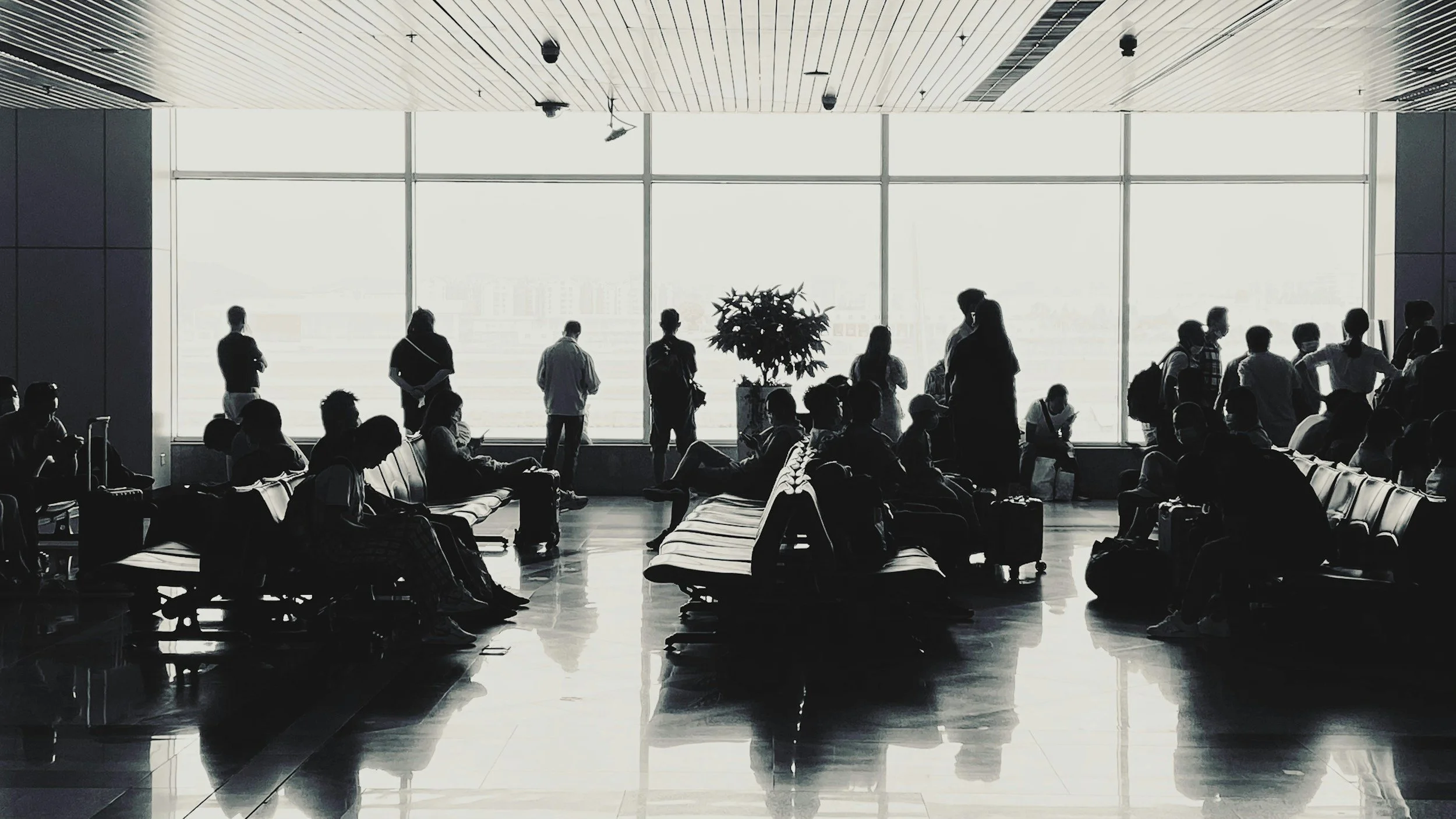
Making passenger experience less fragmented
Although Heathrow, much like other UK airports, does save us a great deal of time by not making us go through an immigration check point when departing like you’d find at almost every airport in the world, there’s still a lot they could do with streamlining touch points and making use of biometrics in an intelligent way.
Passengers only need to opt in once and move seamlessly from check-in to boarding using only facial recognition at Incheon and Changi. Despite having access to key data, Heathrow still relies heavily on static signage and announcements. Passengers are often left guessing how long security would take, what line to jump into or if they’re going the right way. Asian airports answer those questions proactively.
What Leading Airports do differently
Airports like the Asian ones mentioned above, don’t just collect data, they use it in real time to guide passengers. AI engines combine live flight data, passenger movement and congestion levels to:
Dynamically adjust security lanes
Guide passengers step by step to their gates. Facial scanning for key gate information at major Chinese airports.
Update digital signage based on crowd behaviour
Manage personalised notifications based on the amount of time passengers have
Behind the scenes, many of these airports are building real-time digital twins; live digital replicas of the airport that simulate passenger flows, staffing levels and performance minute by minute. Heathrow has explored digital twins for planning and infrastructure, but hasn’t yet deployed them at real-time operational scale. Big opportunity there.
Dude, where’s my bag?
If there’s one area where the experience gap becomes impossible to ignore, it’s baggage handling. Even AirTags wouldn’t completely save you!
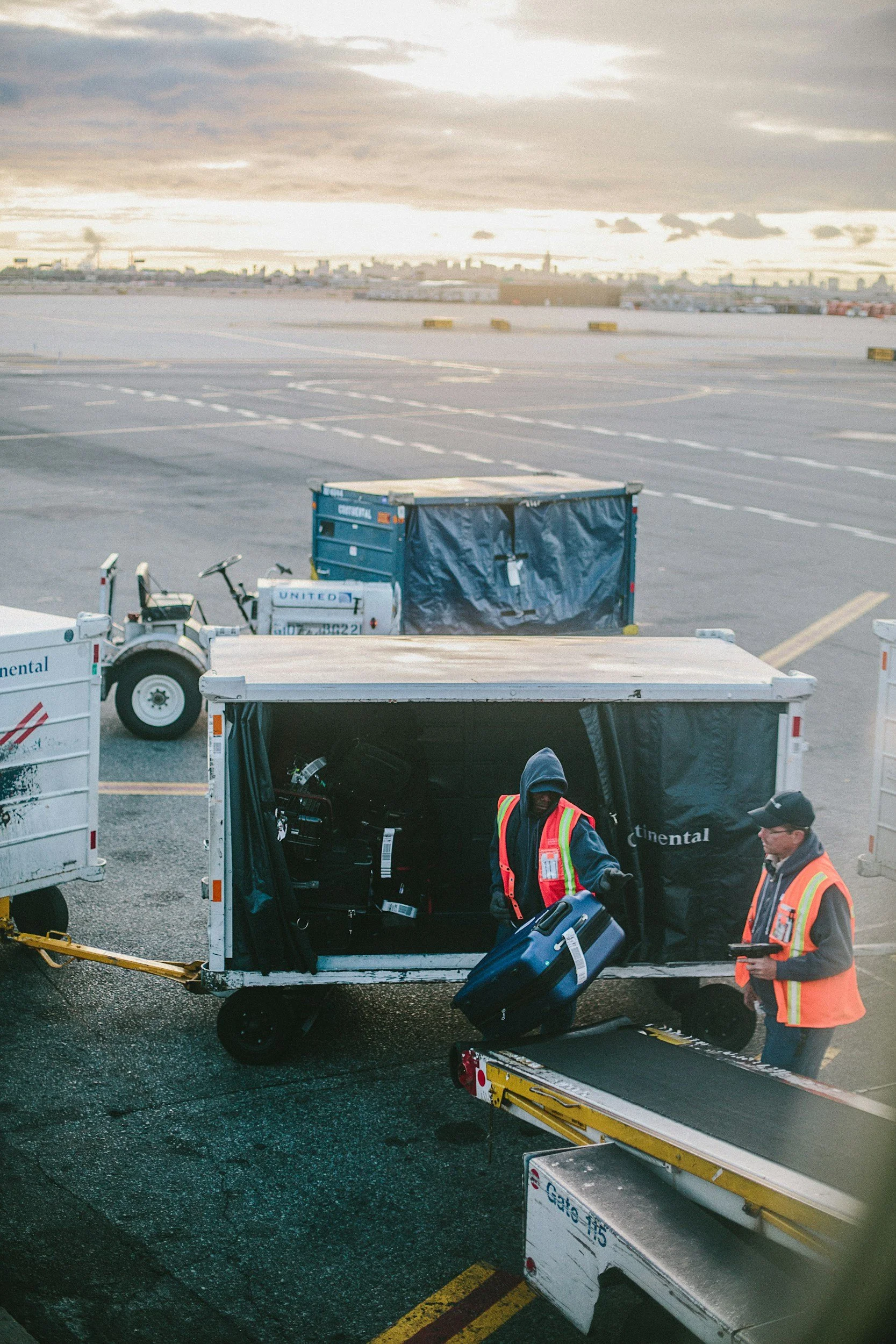
Changi and Incheon treat baggage as a digitally traceable journey. AI enabled systems track bags in near real time as they move through the airport, from being loaded, transferred to being delivered to reclaim. Congestions can be predicted early and bags can be rerouted before problems escalate.
At Heathrow, baggage remains of the most visible pain points. Passengers still experience:
Limited to no updates on where their bag actually is
Long waits at reclaim with no information
Bags missing for days, weeks and even months aren’t unheard of!
The good news is that the technology to prevent this already exists.
A more intelligent, AI driven baggage model, could predict choke points, dynamically reroute bags, and provide passengers with real time updates. Travellers may forgive delays, but not losing someone’s belonging and not being able to explain where they are either!
From Predictive to Prescriptive
Heathrow is getting better at predicting problems but now needs to act on them automatically. That means having a system that:
Opens security lanes before queues form
Reroutes passengers using screens and mobiles more dynamtically
Reassigns staff in real time based on live conditions
Gives front line staff access to AI tools that reduce stress during disruption
The ideal outcome goal here is to make AI, digital twins and CX designs truly come together and deliver the best end to end experience for both passengers and staff.
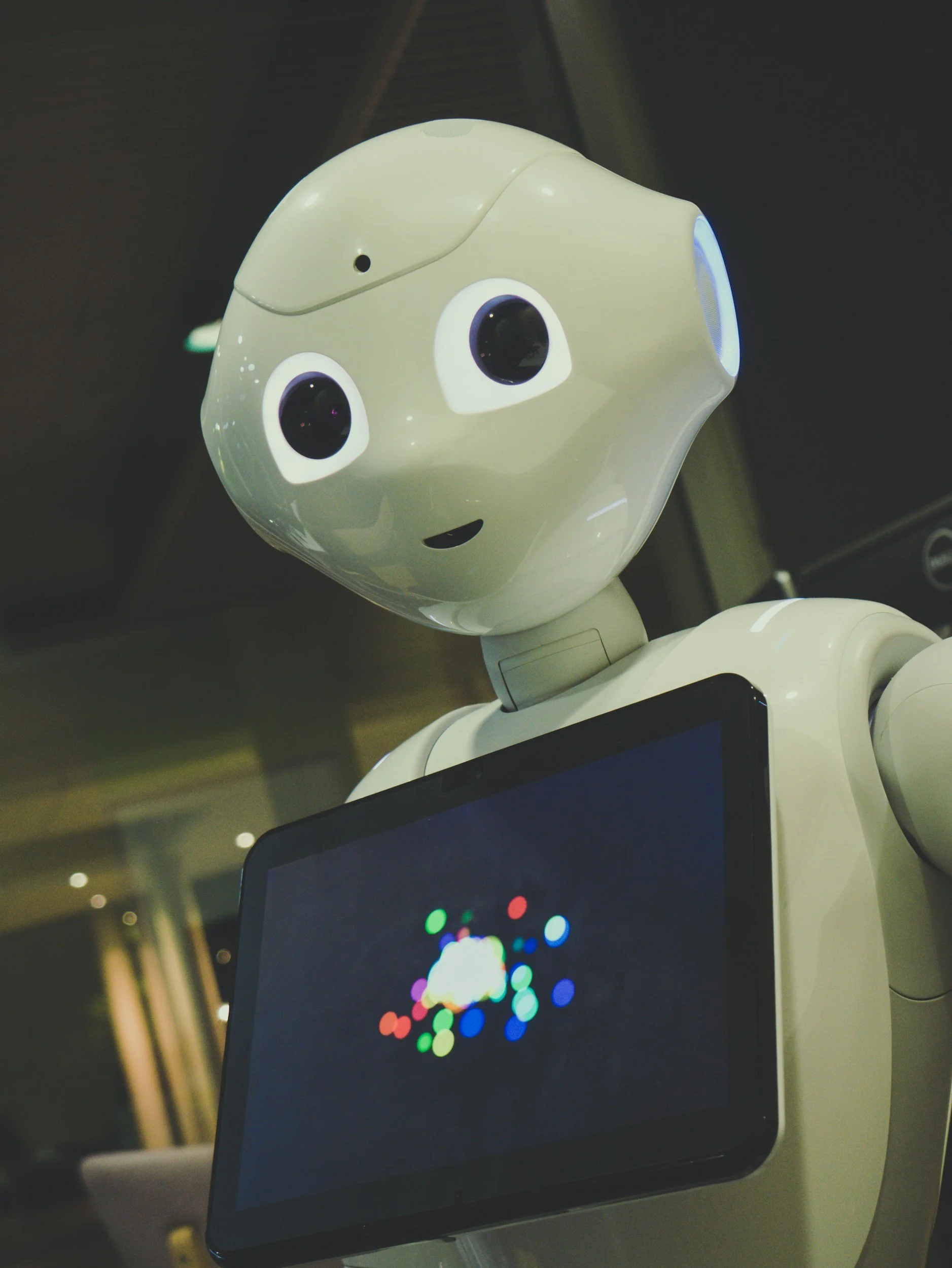
Deploying Robots - gimmick or workforce multiplier?
Robots are a common sight in Incheon and Haneda and are already delivery value:
Autonomous cleaning during off peak hours
Multilingual wayfinding during disruptions
Security patrol AI enabled cameras
Assistance for elderly and less-abled by transporting bags to your gate
They don’t replace staff, rather remove friction from frontline roles and improve consistency during high stress periods.
Final Thoughts
LHR doesn’t need more digital pilots or standalone tools, it needs intelligent orchestration. By learning from global leaders and investing in AI driven, real-time experience management, Heathrow has the chance to move from being a digitally enabled airport to a genuinely more personalised and human-centric one.
Sources
Seoul Incheon: https://www.pax-intl.com/product-news-events/events/2025/11/12/airline-and-airport-winners-revealed-at-fte-apac-pioneer-awards-2025/?
Singapore Changi: https://www.travelandtourworld.com/news/article/what-makes-singapore-changi-airport-the-second-best-airport-in-the-world-for-2026-the-smart-tech-driving-unmatched-travel-experiences/
Tokyo Haneda: https://www.futuretravelexperience.com/2025/10/30-airlines-and-airports-nominated-for-fte-apac-pioneer-awards-2025-winners-to-be-announced-at-apex-fte-asia-expo/